
A practical hanging display for market trading
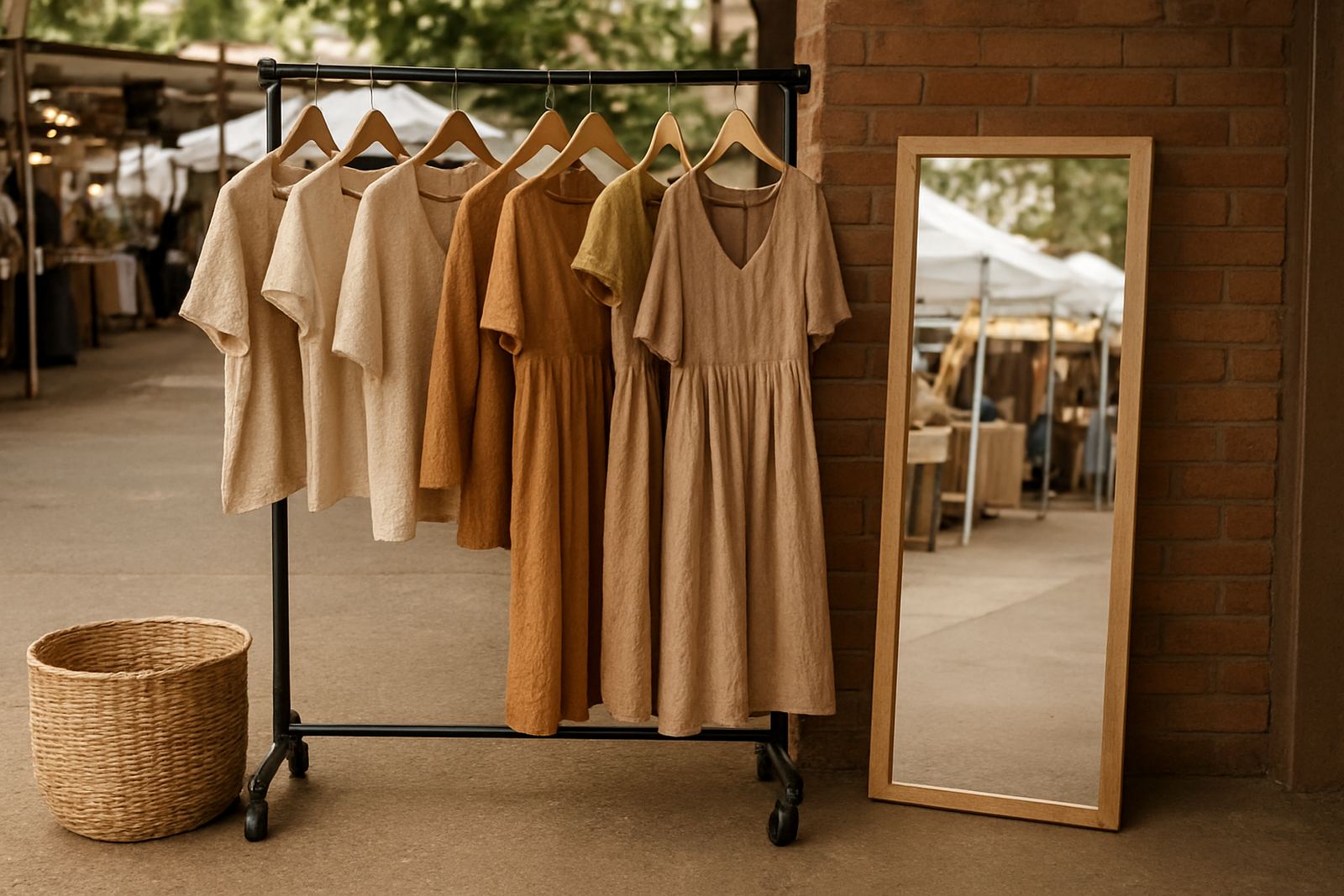
This kit is built for sellers who need a simple upright display with enough reach to show clothing properly. It works well for T-shirts, dresses, wraps, kidswear, linen and light accessories, especially where folded tables alone do not give customers a clear view of the product.
The structure is freestanding, so you can place it beside a payment point, under a gazebo, or along a walkway without drilling into floors or walls. For Hatfield weekend markets, Brooklyn pop-ups and maker nights in busy venues, that flexibility matters because layouts often change from one event to the next.
Sizes and layout options to check before you order
The most useful rack and rail kits for market trading are usually supplied in a few working widths and heights, so you can match the footprint to your stall. Common setups include single-rail units for compact spaces, double-rail units for higher volume, and side-arm options for mixed apparel and textile ranges.
- Width options: 900 mm, 1200 mm or 1500 mm
- Typical rail height: 1500 mm to 1800 mm
- Footprint depth: 450 mm to 700 mm depending on base style
- Load rating: check the safe working load per rail before hanging heavy items
- Finish options: powder-coated steel or zinc-coated metal for better wear in humid areas
If you trade near the coast, ask for a finish that handles salty air better. Inland stalls in Pretoria, Centurion and Gauteng indoor venues usually cope well with standard coated steel if the kit is stored dry between events.
Where this kit suits best
This display suits makers who sell clothing, textile gifts or light soft goods and need customers to browse by hanging rather than by box or table pile. It is a good choice for small batch labels, artisan apparel, school uniform samples, handmade scarves and event stock that must be visible from a distance.
It also helps at maker nights where floor space is limited and there may be uneven power access or tight aisles. The kit itself does not need power or gas, which makes it easier to use at outdoor markets, community halls and temporary pop-up sites with limited services.
- Weekend markets in Hatfield, Lynnwood, Menlyn and Centurion
- Indoor craft fairs and church hall sales
- Nationwide pop-ups in malls, schools and municipal venues
- Workshops where sample garments or fabric panels must hang neatly
Setup, transport and event-day use
Most kits are put together from upright posts, a cross rail and a stable base or foot assembly. That makes them practical for one or two people to carry, load into a bakkie or pack with tables, tubs and branding items. Assembly should be quick enough for a market morning when you only have a short time to set up before foot traffic starts.
For best results, keep the heaviest items low and hang lighter stock at the ends. If your rails are long, use extra support in the centre so the bar does not bow under weight. On windy days, especially at open-air venues, add discreet ballast at the base or position the rack behind a table edge to reduce movement. A wobbly stand can affect both safety and presentation, so it is worth checking before trading begins.
- Use level ground where possible
- Check all locking points before loading stock
- Distribute weight evenly across the rail
- Allow a small gap between garments so customers can browse easily
Care, servicing and storage between markets
Wipe the frame down after each event to remove dust, food splatter and moisture. If the kit is used in coastal areas, dry it thoroughly before storage to reduce rust spots and staining. Hinges, bolts and connectors should be checked regularly for looseness, especially if the rack is assembled and taken down every weekend.
Store the parts flat or in a marked bag so nothing goes missing between shows. Avoid leaving coated metal in a damp storeroom for long periods. A quick monthly check of welds, screws and feet will usually catch wear early, which is cheaper than replacing a bent rail just before a trade weekend.
What to confirm before placing an order
Before ordering, work through the details that affect daily use at markets and pop-ups. The right kit depends on your product weight, stall size and how often you move between venues. A light fashion range can use a slimmer setup, while heavier textile goods need stronger rails and wider feet.
- What garments or fabric products will hang on it
- How much floor space you have in your standard stall
- Whether you need one rail, two rails or side extensions
- Whether the finish must handle humidity, dust or coastal air
- How the kit will be packed, transported and stored
- Whether you need matching hooks, sign holders or price tags
If you are preparing for first market days or seasonal trading, it helps to test the rail height with actual stock before ordering in quantity. That way the display fits your range and customers can reach the items comfortably without crowding the walkway.
Key facts
| Product type | Freestanding hanging display kit for apparel and fabric products |
|---|---|
| Materials | Coated steel or zinc-coated metal components |
| Width options | 900 mm, 1200 mm or 1500 mm |
| Height range | Approx. 1500 mm to 1800 mm |
| Installation needs | Tool-light assembly, no power or gas required |
| Typical use | Weekend markets, pop-ups, maker nights and indoor sales venues |