What the Cashout Kit does at a market stall
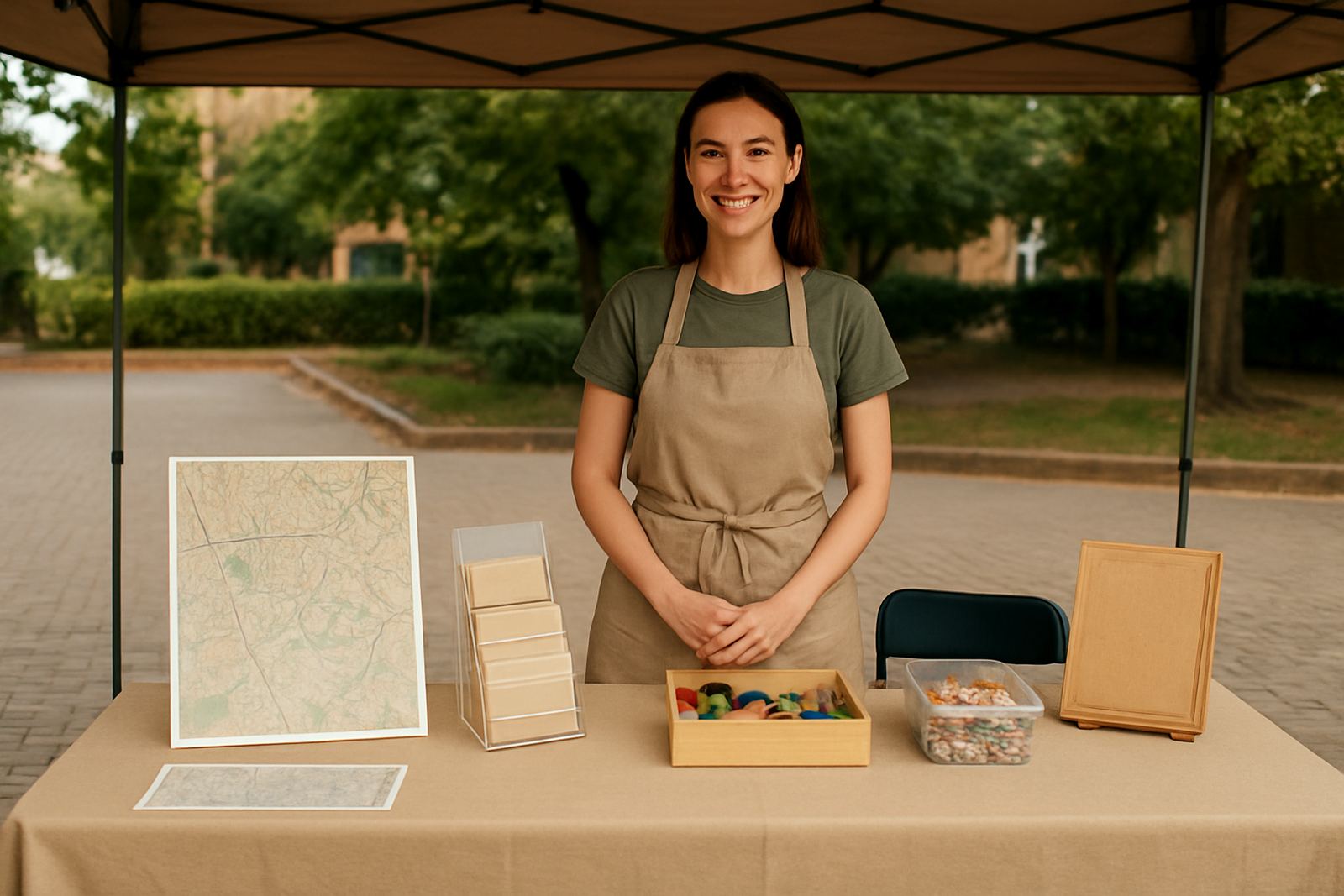
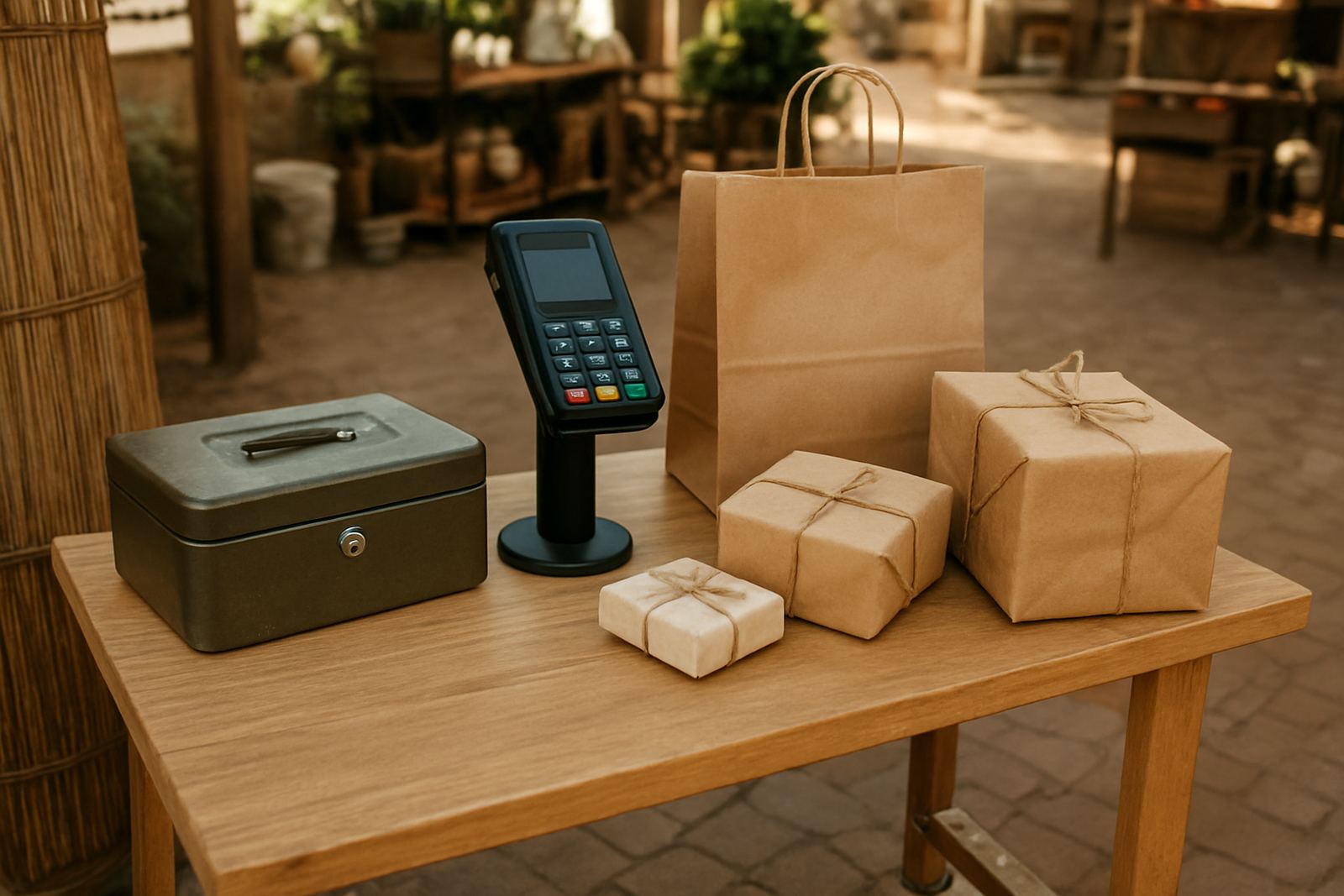
The Cashout Kit is a compact payment and packing station for market days, pop-ups, and maker nights. It gives you one place for card machine use, cash handling, receipt printing, bags, tags, and last minute wrap up. That means fewer items scattered across the table and less time hunting for change when the queue builds. It is useful for makers selling candles, preserves, baked goods, skincare, prints, small décor, and gift items that need quick checkout and clean packing.
At busy Hatfield markets, a tidy payment area matters more than most people expect. Customers want to pay, collect, and move on without confusion, and you want to keep your stock protected from hands, wind, dust, and the odd coffee spill. The kit supports that flow and makes the front of stall feel organised even on a cramped site or in a shared indoor venue.
Sizes, layout options, and what fits in the kit
The Cashout Kit can be set up as a small single person station or a wider counter for higher turnover stalls. The most common layout is built around a 600 mm to 900 mm wide payment surface, with under counter storage for bags, boxes, cash tins, and spare consumables. For larger setups, a 1200 mm span gives more room for packing and for placing sealed orders aside before handover. Height is usually kept at standard counter level between 900 mm and 1000 mm so the seller can work standing up without bending all day.
Optional additions can include a clear menu board, price tags, a small drawer box, a lockable cash tin, a hand sanitiser holder, and a shelf for packaging rolls. If you sell food, there is space for gloves, order slips, and a separate clean area for finished packs. If you sell fragile items, a soft packing zone can be included so items are not placed straight onto a hard surface. A simple wheeled base is also useful for loading in and out of a bakkie.
- Compact setup for 1 person trading
- Extended counter for busier market days
- Open shelf or enclosed storage below
- Cash, card, and packaging zones in one place
- Optional locking storage for change and paperwork
Where it works best
This kit suits weekend makers markets, indoor craft fairs, school fundraisers, food and gift pop-ups, and evening maker nights. It also works well at township markets, church bazaars, community festivals, and small retail activations where space is shared and time is tight. In Pretoria, where some sites are exposed to summer heat and sudden rain, a neat cashout point helps you keep packaging dry and orders visible. In coastal towns, enclosed storage is worth considering because humidity can soften paper bags and affect labels if they sit out too long.
For food stalls, the layout helps with clean handover and separating money handling from food prep. For non-food makers, it gives customers a clear spot to ask questions, pay, and collect. If your stall is inside a hall or tent, the kit can be arranged so cables and packing boxes stay out of walkways. That matters when the venue has municipal rules on fire exits, access paths, or no open flame near the trading area.
Power, charging, and equipment needs
The Cashout Kit can be set up as a non-powered station or as a powered payment point depending on what you use. A basic layout needs no electricity at all if you work with a manual cash tin, handwritten slips, and pre-packed stock. If you run a card machine, phone charger, small receipt printer, or a light above the counter, plan for one or two plug points close to the stall. A power bank or small backup battery is a practical addition so your payment device stays live through the trading rush.
For food makers, a separate mention on gas is important. The Cashout Kit itself does not need gas, but if the payment area sits near a hot food prep zone, keep it clear of cylinders, burners, and heat sources. The handover point should stay at least 1 metre away from direct cooking where possible. If you use a generator, place it well away from customers and keep the cable run tidy so no one trips. In all cases, the aim is simple, safe movement around the stall.
- Works with cash only or cash plus card
- Can include USB charging or plug powered accessories
- Backup battery recommended for outages
- Keep clear of heat, flames, and wet ground
- Cable covers advised for public walkways
Care, cleaning, and regular servicing
Most Cashout Kits are easy to keep in good order if you wipe them down after every market. Use a soft cloth and mild soap on laminated or sealed surfaces, then dry them properly before packing away. If you trade food or use the kit outdoors, check corners and drawer areas for crumbs, syrup, dust, and moisture. Hinges, wheels, and fasteners should be checked monthly so they do not work loose during transport. A small repair now and then saves a bigger headache later, especially if the kit is moved every weekend.
For coastal areas, watch for rust on metal fittings and salt air build up on any exposed parts. For inland winter markets, dry air can cause packaging to split, so it helps to store spare bags and labels in a sealed container. If you use printed signage, keep a backup copy on file and replace faded signs before a busy trading season. It sounds simple but it keeps your front counter looking professional and makes service faster.
What to check before you order
Before placing an order, measure the space you actually have at your stall and not just the space you think you have. Check the table length, access through gates or lifts, and how much room is left once stock is displayed. Decide whether you need a left handed or right handed layout, because that changes where the till, bags, and packing area should sit. It also helps to know how many people will work the kit at once, and whether one person will handle cash while another packs goods.
Useful questions to confirm before ordering include:
- What are the exact stall dimensions in millimetres?
- Will you need lockable storage for cash and small valuables?
- Do you want a plain finish or space for printed pricing?
- Will there be power on site, or do you need a battery plan?
- Do you sell food, fragile goods, or mixed product ranges?
- Will the kit travel in a sedan, bakkie, or trailer?
If you are trading at Hatfield Markets, Brooklyn Markets, Menlyn Markets, Centurion Markets, or a nationwide pop-up, these details make setup easier on the day. It also helps our team understand whether the kit needs to suit light craft goods, packaged food, or heavier stock like ceramics and framed items.
Key facts
| Product | Cashout Kit |
|---|---|
| Typical width | 600 mm to 1200 mm |
| Typical height | 900 mm to 1000 mm |
| Use case | Payment area, packing point, quick handover |
| Power need | None, or one to two plug points for devices |
| Best suited to | Weekend markets, pop-ups, maker nights, food and craft stalls |