What the Entry Feature Kit includes
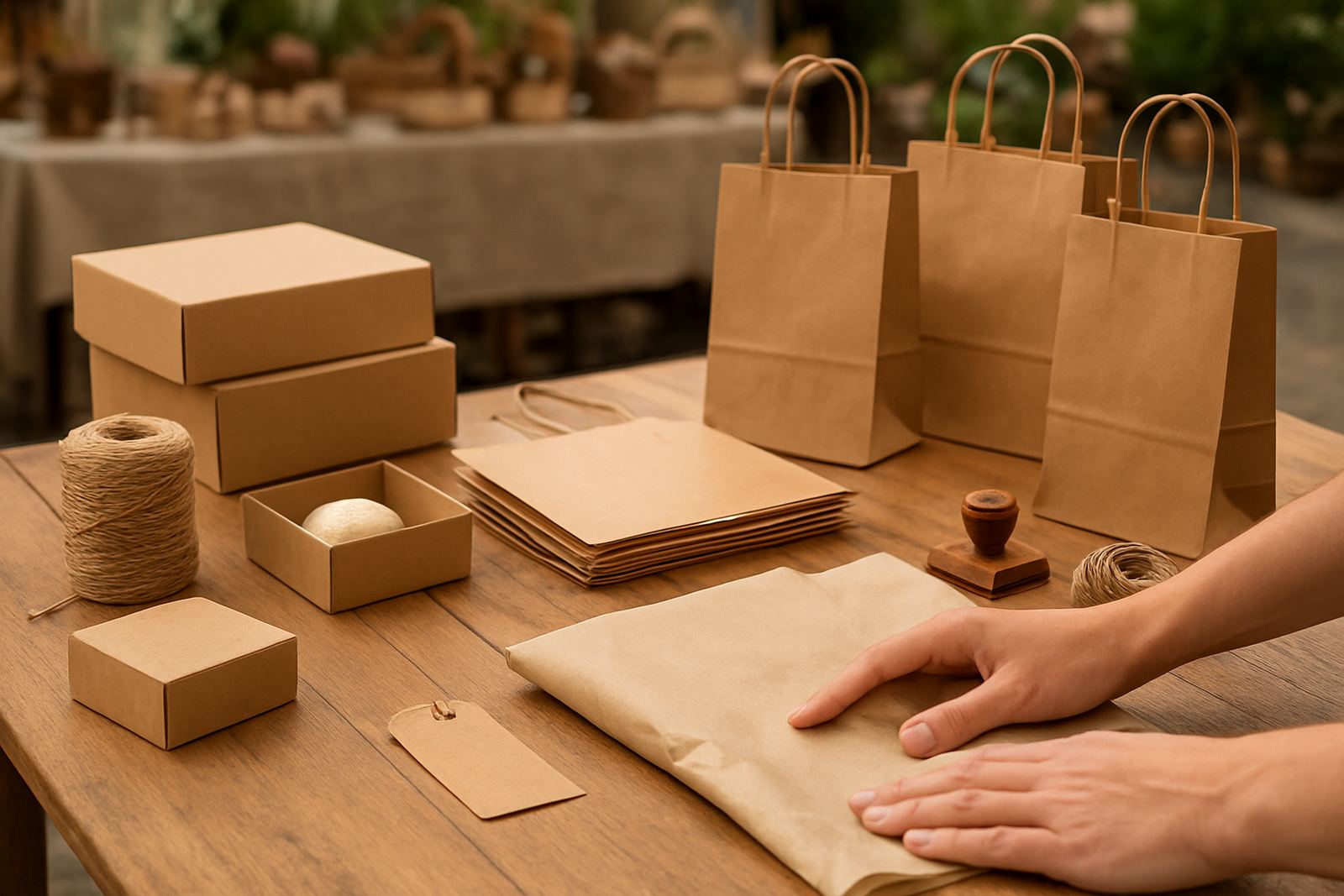
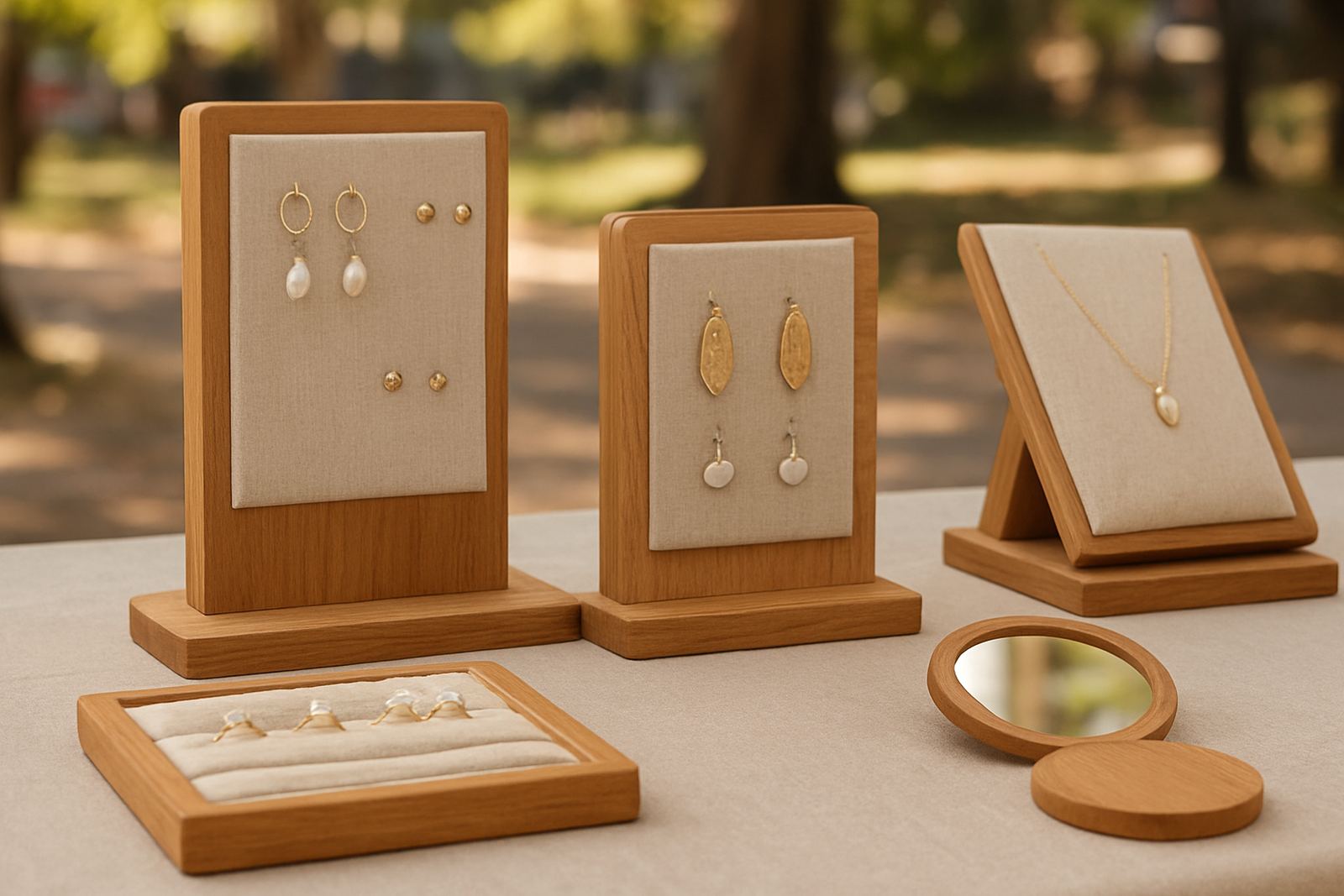
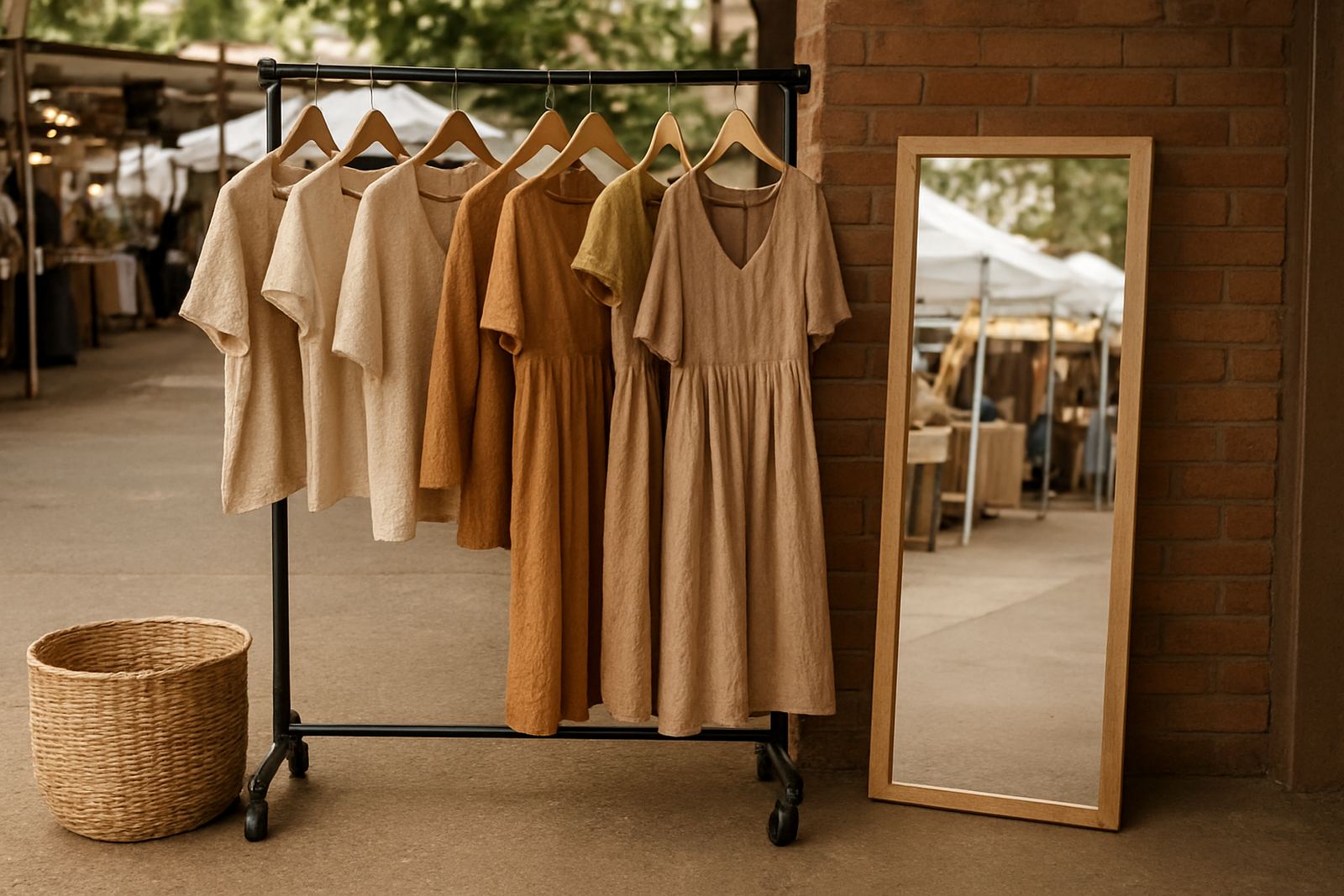
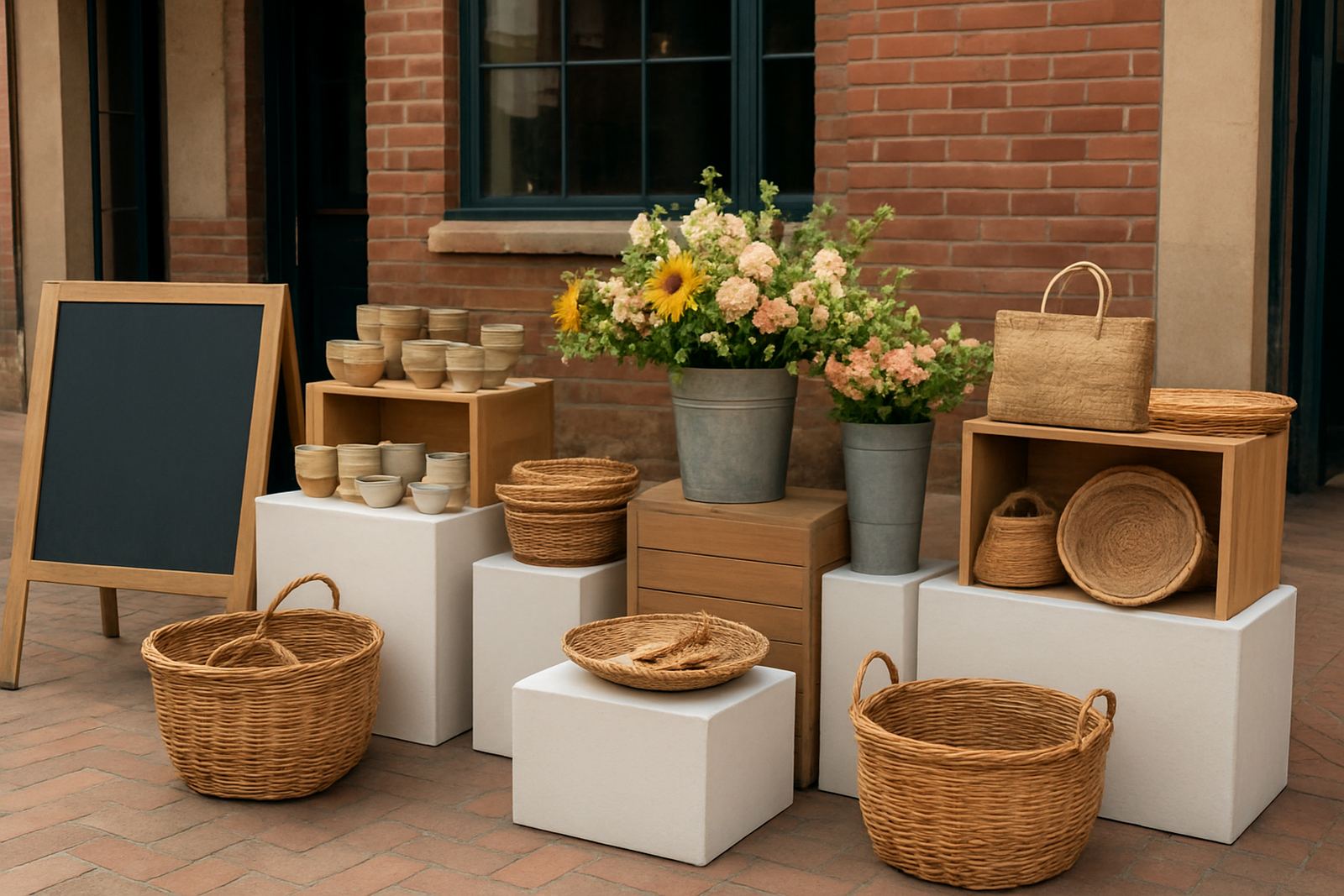
The Entry Feature Kit is a set of decor and merchandising pieces used at the front of a stall or activation space to make the first view feel considered. It is suited to makers who sell at weekend markets, indoor pop-ups and evening events where customers decide in a few seconds whether to stop and look. The kit can include a front sign panel, display risers, a small product tray, clip-on price holders and simple feature lighting support. Depending on the event, you can use all the pieces or only the ones that fit your layout.
It works well for soaps, ceramics, baked goods, jewellery, candles, printed items and packaged foods. If you trade in Hatfield, Brooklyn, Lynnwood, Menlyn or Centurion, the kit helps your stall read clearly in busy walkways and under mixed lighting. For maker nights, it also keeps the table front tidy when customers are standing close and movement is slower.
Sizes and layout options for different stalls
The kit is built in compact components so it can be set up on a trestle table, modular counter or small branded table. Standard front pieces are usually sized around 600 mm, 900 mm or 1 200 mm wide, with height options from 150 mm to 450 mm for raised display blocks. The aim is to create a visible front edge without blocking sightlines across the stall.
- Small stall: 600 mm front feature panel, 2 risers, 1 tray, 2 price holders
- Medium stall: 900 mm front panel, 3 risers, 2 trays, 4 price holders
- Large stall: 1 200 mm front panel, 4 risers, 2 trays, 6 price holders
- Maker night table: compact sign, 1 hero riser, 1 tray and a small product cluster
If you sell fragile items, choose lower risers and a wider base. If your stock is packaged or sealed, taller feature blocks can lift the display and make smaller items easier to see from a few metres away.
Where the kit suits best
This product suits traders who need a neat opening point at the front of the stand rather than a full counter build. It is especially useful where foot traffic is heavy and the first 1 metre of display has to do most of the selling. That includes community markets, church bazaars, food halls, pop-up retail spaces and maker nights in halls or courtyards.
It is also a sensible choice for places with bright sun, coastal humidity or regular weather changes, because the pieces can be packed down quickly and stored indoors between events. If you trade outdoors in Pretoria summers or at a venue where wind picks up in the afternoon, the lower profile pieces hold position better and are less likely to tip than loose decor. For food stalls, the kit can sit in front of the service area while keeping prep tools and packaging out of sight.
Installation, power and event day setup
Installation is straightforward and does not usually need tools. Most of the kit pieces are placed on top of the table or fitted with simple brackets, hooks or weighted feet depending on the event layout. A two-person setup is ideal for larger stalls, but a single trader can manage the smaller version in a short time.
Power needs depend on whether you add lighting or a small illuminated sign. For basic use, no power is required. If you include lighting, allow for one standard plug point or a charged battery source where venue rules permit. At some municipal venues or community halls, cable runs must stay clear of public walkways, so it helps to check the stall plan before market day. Gas is not needed for the Entry Feature Kit itself, though food traders may still need separate gas compliance for cooking equipment.
- Set up time: about 15 to 30 minutes for a small kit
- Power: none required unless lighting is added
- Gas: not required
- Floor space: from 600 mm deep upward, depending on the layout
- Best with: trestle tables, folding counters, modular market stalls
Care, cleaning and regular servicing
Care is simple, but it helps to treat the pieces like repeat-use event equipment. Wipe smooth surfaces with a soft damp cloth after each market and dry them before packing. Keep printed panels, price holders and any fabric wraps away from wet goods, sauces and syrup spills. If the kit is used near food, clean it after every event so dust and fingerprints do not build up.
For makers who do 2 to 4 events a month, it is worth checking corners, fixings and display feet every few weeks. Tighten any loose fittings and replace damaged clips before a busy weekend. In humid conditions or after a rainy load-in, store the kit in a dry crate or cupboard with enough airflow. If the event was outdoors, make sure everything is fully dry before packing, otherwise the finish can stain or warp over time.
What to check before you order
Before placing an order, confirm your table size, event type and how much front space you want to use. The Entry Feature Kit should suit your stock weight and the number of items you want to show at eye level. If you sell heavier items such as ceramic bowls or bottled goods, ask for a layout with stronger risers and a wider base. For lighter products, compact pieces may be enough.
- Table or counter width in millimetres
- Indoor or outdoor use
- Need for printed branding or plain finishes
- Whether lighting is needed
- Approximate product weight on each display level
- Venue rules for power cables, gas and public access
It also helps to bring a product mix list, because the kit can be arranged differently for food, craft or gift items. A maker selling small packaged goods will need a different front display from someone presenting larger handmade pieces. If you are trading at Hatfield Markets or taking the kit to a nationwide pop-up, one clear layout plan can save time on the morning of the event and keep the setup steady when weather changes at short notice.
Key facts
| Product type | Decor and merchandising kit for stall entrances and feature displays |
|---|---|
| Common widths | 600 mm, 900 mm, 1 200 mm |
| Common heights | 150 mm to 450 mm display levels |
| Setup time | 15 to 30 minutes for small kits |
| Power requirement | None unless optional lighting is added |
| Suitable uses | Weekend markets, maker nights, pop-ups and food stalls |