A Food Stall Set Built For Packaged Sales
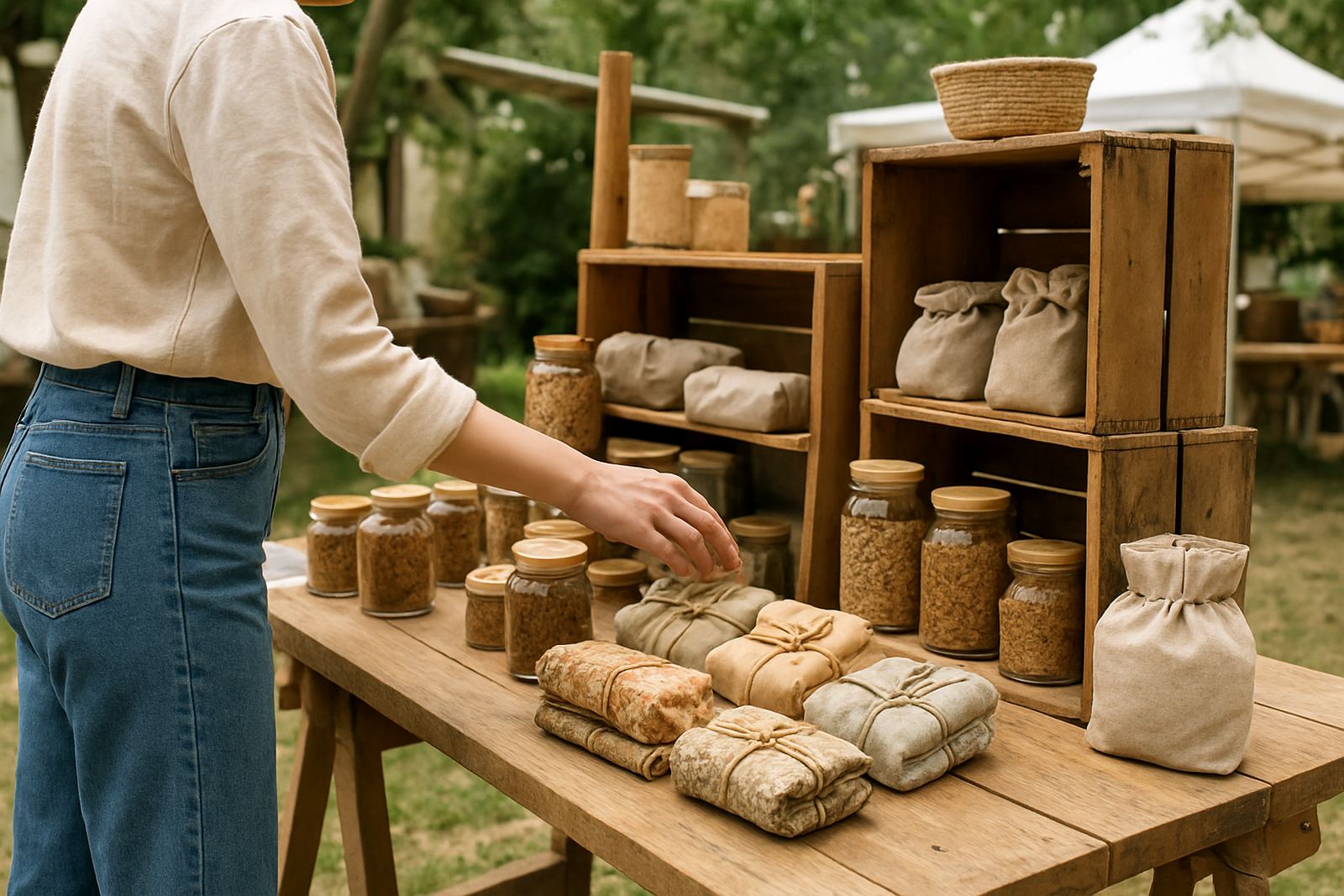
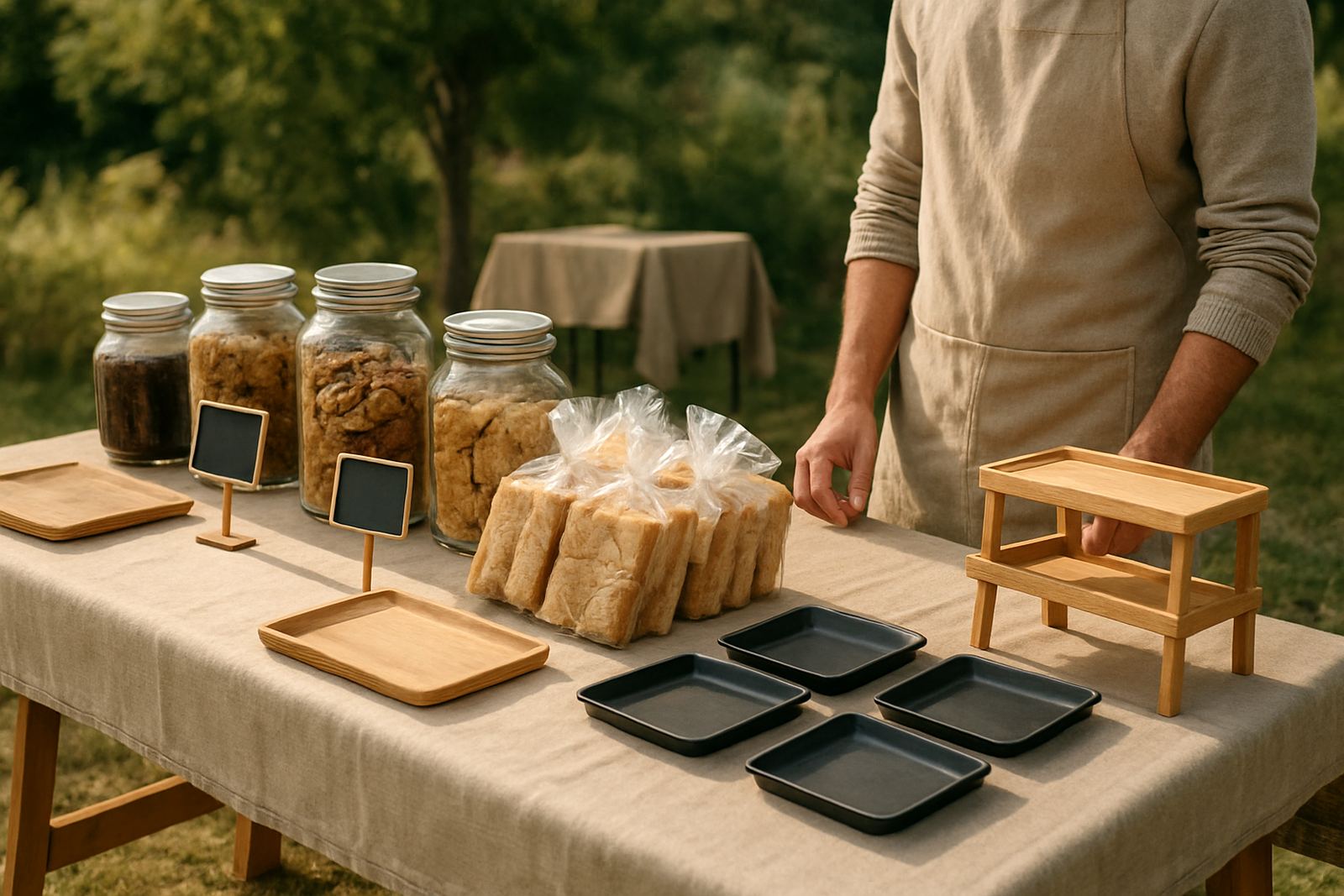
The Gourmet Seller Kit is arranged for makers who sell jars, packets, loaves, rusks, biscuits, sauces and other shelf-stable food items. It keeps product ranges visible and easy to price, with enough working space for weighing, tasting and serving where allowed by the event rules. For Pretoria mornings, indoor halls in Hatfield, or outdoor pop-ups in Centurion and Menlyn, the kit gives you a neat food-ready setup that is simple to manage over a full market day.
The layout works well for sellers who need a clean front counter, clear product grouping and space for baskets, tubs or crates under the table. It is also useful for first-time vendors because it reduces the guesswork around what should sit at eye level, what can be kept below, and how to keep the stall looking ordered when customers arrive in waves.
- Suitable for preserves, baked goods and packaged snacks
- Clear display area for pricing and samples
- Compact enough for weekend markets and maker nights
Sizes, Layouts And Practical Options
The kit can be set up in a compact 1.8 metre trading space or expanded to a 3 metre frontage where the market allows it. Most sellers choose a 1.8 m x 0.75 m table with a back display shelf, while larger food ranges may need an added side table for stock and packaging. Height options normally sit between 720 mm and 900 mm for the main surface, which makes serving easier and helps keep your products at a good viewing level.
For markets in open air spaces, the taller back display is useful for jars and boxed items because it creates better visibility from a distance. If you trade at busy family markets, ask for the wider layout so you can separate tasting items from sealed stock. That small change helps avoid bottle necks at the front of the stall and keeps the flow steady.
- Compact option: 1.8 m frontage, for tight sites and shorter runs
- Standard option: 2.4 m frontage with front display and under-table storage
- Large option: 3 m frontage for fuller product ranges and tasting stations
Where This Kit Works Best
This kit suits weekend markets, maker nights and pop-up events where food is sold in sealed packs or where sampling is managed under the venue rules. It is a good fit for Hatfield Markets and Brooklyn Markets, as well as indoor or sheltered spaces in Lynnwood, Menlyn and Centurion. If you do regular township markets or seasonal events, the layout keeps stock easy to rotate and quick to pack away at closing time.
It also works well for makers who take part in church bazaars, school fundraisers and office park activations. The display is simple enough for smaller foot traffic but still tidy enough for higher-value product lines. If your goods are sensitive to heat, it is best to place them out of direct sun and avoid long exposure in a car before trading starts.
- Weekend markets with family foot traffic
- Maker nights for premium packaged foods
- Seasonal events, fundraisers and pop-up trading
Installation, Power And Gas Considerations
Most Gourmet Seller Kit setups do not need fixed installation. The stall is assembled on site, levelled and dressed with your stock, price labels and service items. If you need a kettle, warmer or small light, plan for a standard 15A plug point where the venue provides electricity. For outdoor sites, many sellers bring a battery pack or a small inverter for lights and low-draw equipment. Keep power use modest and check the market rules before you arrive.
Gas is only needed where you are preparing hot food or warming samples, and then only if the event permits it. In that case you will need safe cylinder placement, a proper regulator and enough ventilation. For coastal humidity in places like Durban or Gqeberha, sealed storage is worth the extra care because labels and boxes can soften quickly if they are left open overnight.
Set-up time is usually 20 to 40 minutes for a single person, depending on how much stock you carry. If your range includes breakable jars, use foam or corrugated separators so things stay steady during transport. A simple first check before trading is to make sure the table is level, the signage is readable and the walkway side is clear.
Care, Cleaning And Servicing Between Markets
Food stalls need steady upkeep because crumbs, syrup and oil marks build up quickly. Wipe the surfaces after each market with warm water and a mild detergent, then dry them properly before packing. Avoid harsh bleach on printed signs or laminated boards. If you use fabric runners or cloth covers, wash them regularly and keep a spare set in the stock box so you are not scrambling on Saturday morning.
For sellers using jars and bottles, inspect the display rails and shelf edges every few weeks. Tighten loose fittings, replace chipped crates and check for rust if the stall is stored in a garage or outside room. In Pretoria winters, dust can settle into corners fast, so a small hand brush and a microfibre cloth are worth keeping with your market kit.
- Clean after every trading day
- Check fixings, labels and shelf edges monthly
- Store dry, covered and off the floor where possible
What To Check Before Ordering This Kit
Before ordering, measure your trading space carefully and check the venue rules for table size, signage height and food handling. Ask whether the site provides power, whether there is shade, and if gas or heat sources are allowed. It is also wise to confirm how much stock you plan to display, because a tight range needs different shelving from a larger mixed table. If you sell chilled products, you will need to plan for separate cold storage and this kit on its own will not replace that.
When you are comparing options, look at the finish, folding method, shelf spacing and how the kit loads into your vehicle. A seller who trades alone will usually want lighter parts and fewer loose pieces. If you trade with a helper, a wider front and extra packing space may suit you better. Check the signage area too, because good product names and prices matter just as much as the display itself.
- Confirm frontage measurements and stall height
- Check whether the venue allows tasting, gas or electrical warming
- Make sure the kit suits your stock weight and transport space
Key facts
| Product type | Food market stall set for preserves, baked treats and packaged goods |
|---|---|
| Frontage options | 1.8 m, 2.4 m or 3 m |
| Table height | 720 mm to 900 mm |
| Typical setup time | 20 to 40 minutes |
| Power need | Optional 15A venue supply for lights or low-draw equipment |
| Best use | Weekend markets, maker nights, pop-ups and seasonal trading |