What the Outdoor Canopy Kit does for busy market days
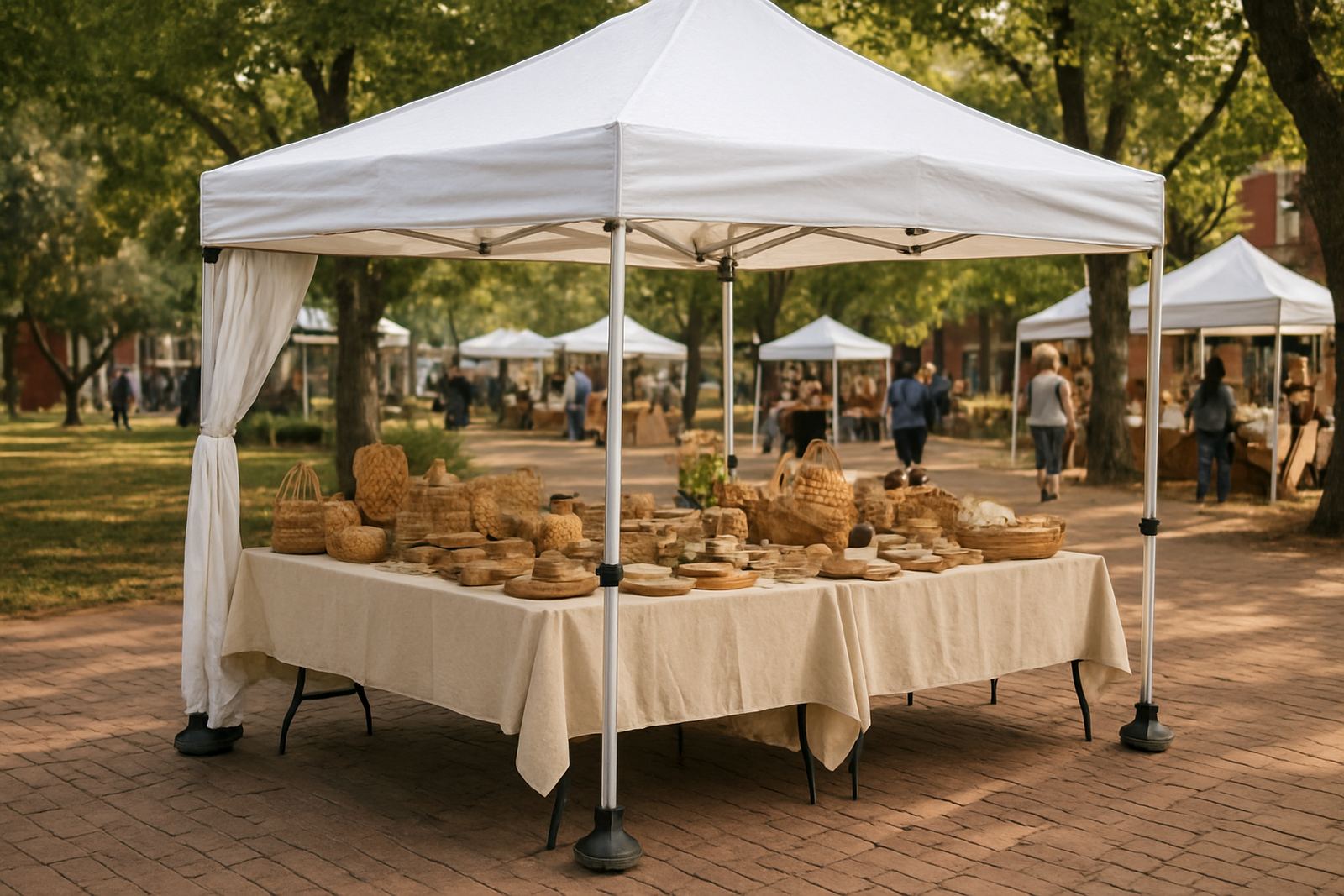
The Outdoor Canopy Kit gives you a practical cover for open-air trading when you need shade, rain protection and a defined selling space. It suits craft stalls, food traders, workshop tables and demo areas at Hatfield, Brooklyn, Lynnwood, Menlyn and Centurion markets, as well as maker nights and pop-up events across South Africa.
The kit is set up for quick pitching and packing, which helps when the weather turns after lunch. It keeps stock off the ground, gives customers a clear frontage and helps you work more comfortably in heat, wind or light coastal humidity.
Sizes and layout options to match your trading space
Choose the size that fits your stall pitch, vehicle space and how much product you want on show. Smaller setups suit one-person trading, while larger kits work better for shared tables, tasting counters or display racks. If you trade in tighter municipal spaces, measure the full footprint with the sidewalls on so you are not caught short on the day.
- 2 m x 2 m: Compact stall cover for craft items, small-batch products and tasting tables.
- 3 m x 3 m: The most common all-round market size for mixed product displays.
- 3 m x 6 m: Better for food stalls, workshop areas or two linked trading zones.
- Sidewall set: Half or full walls for wind control, privacy and splash protection.
- Window wall option: Good when you want light in but still need cover from spray or dust.
For Pretoria summer heat, lighter roof colours help reduce heat build-up. In coastal towns, a tighter fit and better tie-downs matter more because wind and salt air can work fittings loose if the kit is not checked regularly.
Where the kit works best
This canopy suits weekend markets, school fairs, food festivals, church bazaars, night markets and community pop-ups. It is also useful for seasonal selling during holiday rush periods when traders need a tidy stand that can be packed, moved and re-used week after week.
For food sellers, the canopy gives overhead cover while keeping prep and service visible to customers. For makers, it creates a clean backdrop for jewellery, ceramics, candles, prints, homeware and gift items. If you are planning a stall with hands-on demos or short talks, the kit helps keep the area organised and usable. It is a simple setup but it does a lot.
- Weekend artisan markets and maker nights
- Outdoor tasting tables and food stalls
- Workshop registration points and demo areas
- School, church and community fund-raisers
- Seasonal trade stands and temporary sales points
Installation, anchoring and power or gas planning
The canopy frame is designed for straightforward erection with a small team, usually two people for smaller sizes and three for larger ones. On hard surfaces like paving or concrete, use proper ballast, water drums or weight plates. On grass or sand, stake-down points are useful where the venue allows it. Always follow the site rules, especially at municipal venues where fixing into the ground may not be permitted.
If your stall uses lighting, payment devices or a small point-of-sale charger, plan for cable routes that stay off the floor and away from foot traffic. For food stalls using gas, keep cylinders outside the enclosed cooking area and place them according to venue safety rules. Do not run gas in a fully closed space without the right ventilation. A canopy with clear access for a battery light or a compact power pack makes trading easier.
- Check venue rules for weights, staking and fire safety before setup
- Keep extension leads rated for outdoor use and protect connections from rain
- Leave space for gas cylinder placement and easy shut-off access
- Use cable ties or clips so wiring does not cross customer walkways
Care, cleaning and servicing between events
Good care makes a real difference to how long the canopy lasts. After a wet event, dry the roof and sidewalls before storage to reduce mildew and odours. Dust and pollen should be brushed off before packing, especially after windy Pretoria days or dusty roadside pop-ups. If the kit has been near a coastal site, wipe metal fittings down and check for early corrosion.
Inspect the frame regularly for bent poles, loose joints, cracked stitching and worn tie-down points. Replace damaged ropes or straps before the next event, not on setup morning. A small repair now can save a missed market later. Store everything in a dry bag or crate so it does not pick up moisture in the car boot or stock room.
What to confirm before you order your kit
Before you place an order, confirm the stall size, expected weather exposure and how often you will move the kit. If you trade every weekend, it is worth choosing a frame and fabric weight that can take repeated use. If the canopy will travel to different provinces, ask for a setup that is easy to pack into a bakkie, trailer or hatchback with stock.
- Exact stall footprint and any venue height limits
- Whether you need sidewalls, window panels or a fully open front
- Wind conditions at your regular market sites
- Need for lighting, power access or gas cooking space
- How many people will pitch and pack the kit
- Storage space between events
If you are selling food, check the local health and fire requirements as well as market organiser rules. For makers who sell at multiple venues, a single well-planned canopy kit keeps your stand consistent and saves time at setup. That matters when you have only a short window before gates open.
Key facts
| Product type | Outdoor market canopy kit |
|---|---|
| Available sizes | 2 m x 2 m, 3 m x 3 m, 3 m x 6 m |
| Frame material | Powder-coated steel or aluminium options |
| Cover material | Weather-resistant polyester or PVC-coated fabric |
| Setup time | About 15 to 35 minutes depending on size |
| Best use | Outdoor stalls, food trading, maker nights, pop-ups and seasonal events |