What Food Stall Basics Covers
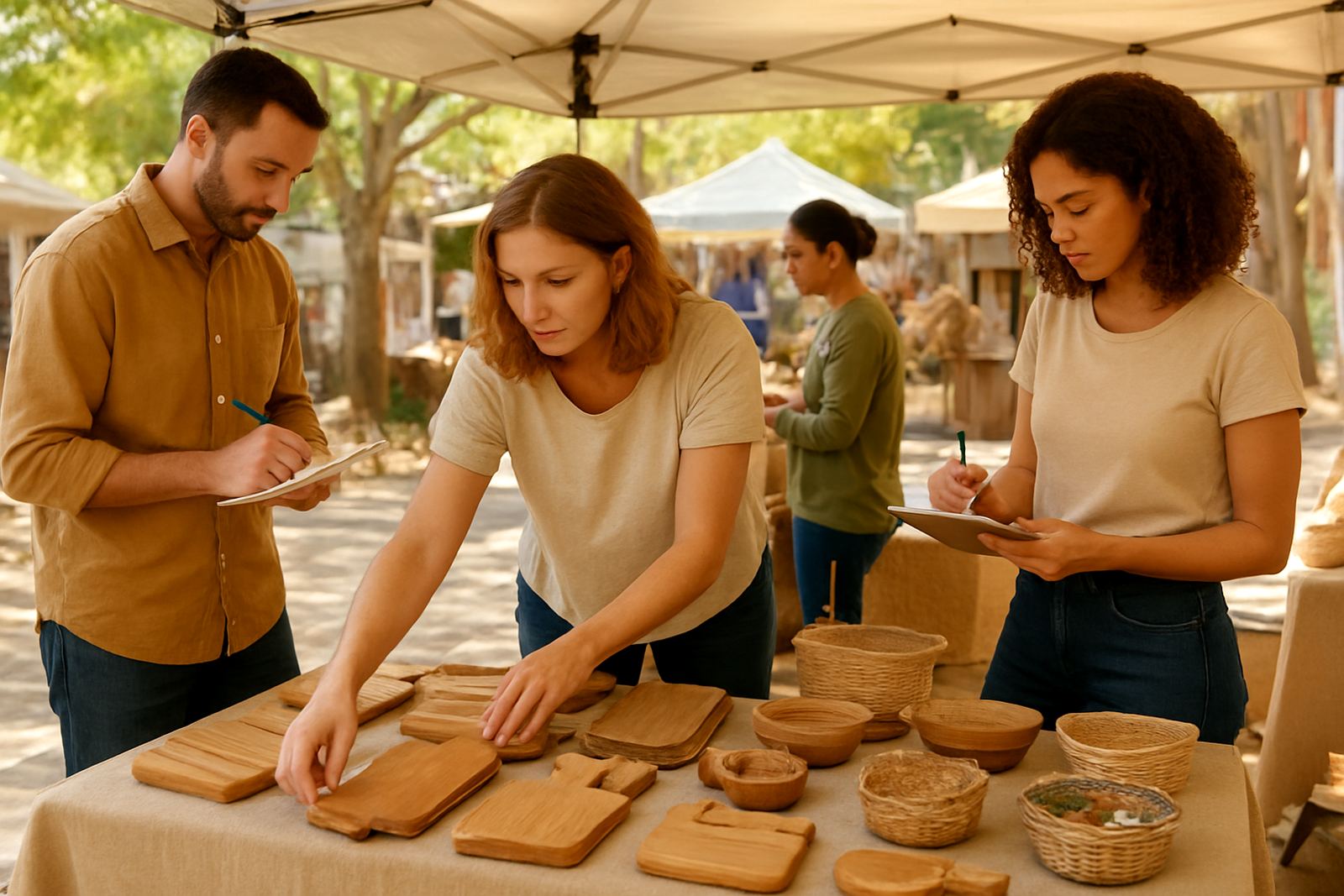
Food Stall Basics is for makers selling packaged foods, samples, snacks and small-batch goods at weekend markets, pop-up events and maker nights. We look at how your stall works from the customer side and the prep side, then shape a practical setup that suits a 2 m to 3 m trading space, a gazebo, table layout and your actual menu.
The focus is on clean presentation, fast handover and low-fuss service. That includes how you store chilled items, where you keep packaging, how you move from tasting to sale, and what to do when the queue grows at the wrong time. We also cover how to trade safely on hot afternoons and in windy Pretoria conditions that can lift loose packaging if it is not weighed down properly.
- Stall layout for pre-packed foods and tasting counters
- Clean service zones for cash, card and order handover
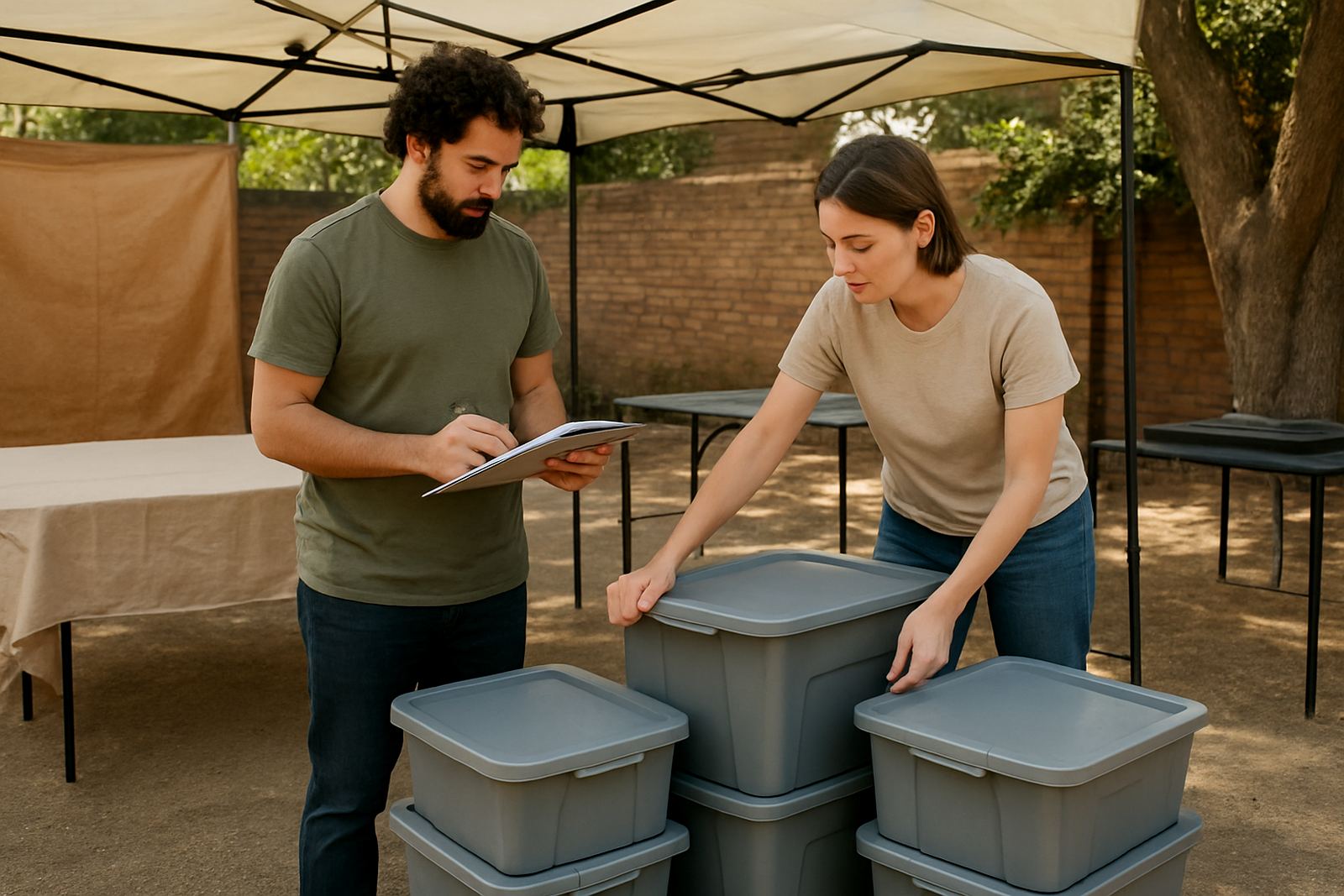
- Storage notes for dry goods, chilled stock and ice packs
- Simple display ideas for labels, allergens and pricing
- Setups that fit weekend markets in Hatfield, Brooklyn, Lynnwood and Menlyn
Hygiene, Handling and Market-Day Readiness
Food safety starts before the first tray is opened. We work through handwashing points, gloves where needed, clean cloths, covered containers and waste handling so your stall stays orderly all day. If you handle ready-to-eat tasting items, we also look at serving tools, sneeze protection where practical, and how to keep tasting portions separate from stock for sale.
For baked goods, preserves, confectionery and dry snack packs, the aim is simple: no cross-contamination, no messy spill points and no confusion for the customer. We include checks for dated labels, ingredient lists and allergen notices, which matter at public markets and are often expected by venue managers and municipal inspectors. In hotter months, we talk through cool boxes, insulated crates and when ice needs replacing before the product quality drops.
- Clean handover points for samples and sales
- Basic hygiene checks for cloths, tongs and containers
- Allergen and ingredient label placement
- Cold-chain handling for cream based, dairy or chilled items
- Waste bins, liner changes and end-of-day clean-down
Service Flow That Keeps Queues Moving
Many food stalls lose sales because the service flow is slow, not because the product is weak. We help you arrange the sequence of greeting, tasting, order-taking, payment and packaging so one person can handle service without confusion. If you have a helper, we split the tasks so one person talks to customers while the other packs and checks stock.
We also plan for the small issues that happen at every market: forgotten change, a label that peels in damp weather, or a line of children asking for samples while a parent is deciding. That means enough room behind the table for movement, a clear sign with prices in Rand, and packaging that can be closed quickly. In windy outdoor sites around Centurion or Hatfield, a heavier base on menu boards and crate lids keeps the stall from looking untidy by midday.
- Greeting and sample sequence for faster sales
- Single-person and two-person service setup options
- Visible pricing that reduces repeated questions
- Pack-and-go workflow for busy peak periods
- Simple backup plan for point-of-sale failure
Packaging, Display and Stock Control
Packaging is part of the service, not an afterthought. We cover container sizes, seal types, labels and how to stack stock so the front of the stall looks full without overpacking the table. For food traders, packaging must protect the product and still be easy to open, carry and store in a shopper’s car after a long morning out.
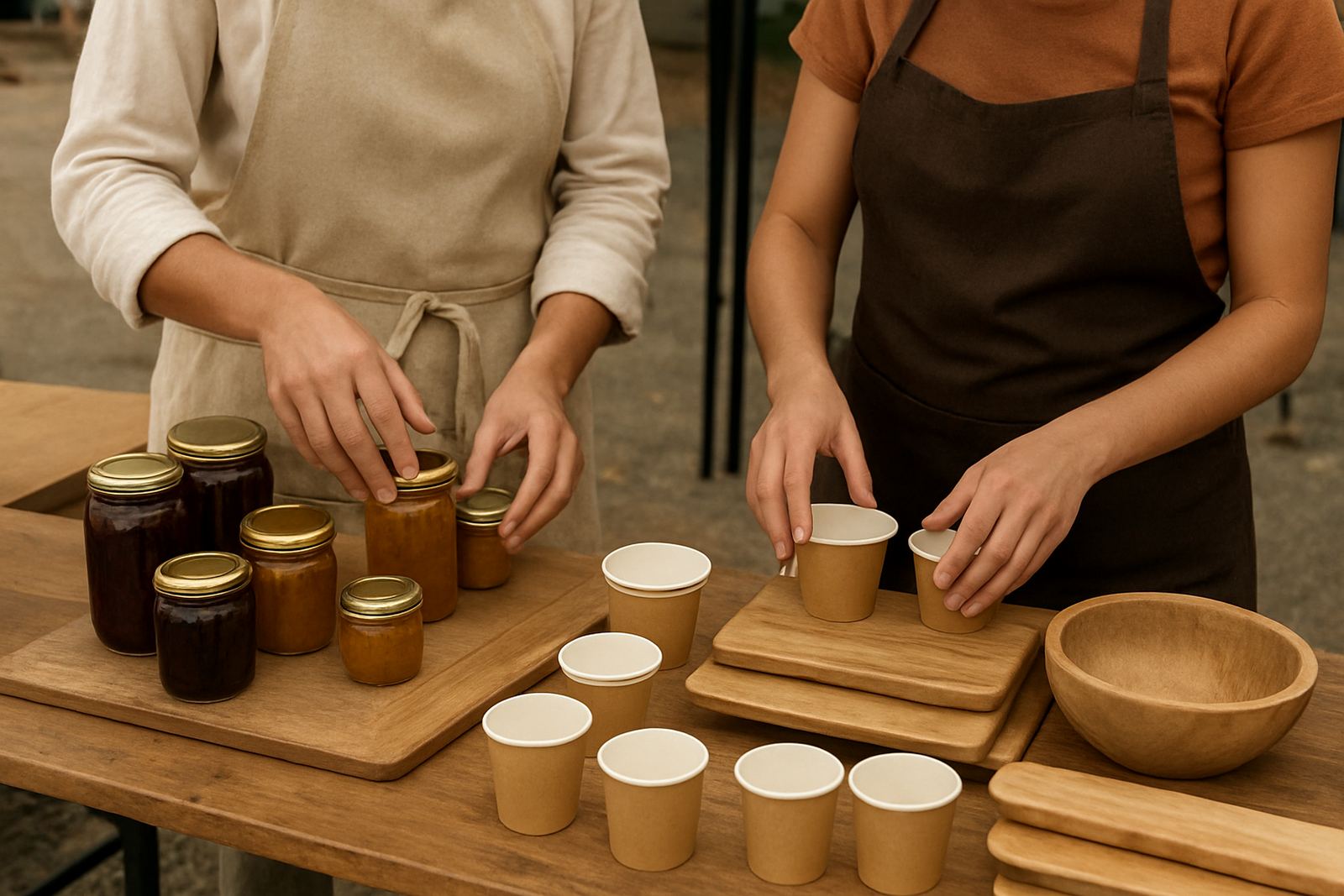
The display should do some of the selling for you. Clear jar fronts, upright packets, sample trays and price boards all help customers understand what they are buying within a few seconds. We look at how much stock to bring based on expected foot traffic, for example a smaller run for a weekday maker night and a larger run for a Saturday market. That planning stops waste and keeps the back stock organised, even when sales are moving faster than expected.
- Food-safe packaging sizes for single portions and family packs
- Label placement for product name, ingredients and price
- Display layout that keeps high-value items at eye level
- Back-stock control for restocking without crowding the stall
- Transport notes for crates, insulated bags and dry-box storage
How We Work From Brief to Market Day
We start with a short service review of your current stall, menu and equipment. Then we map your setup, note what slows service and decide what needs to change first. That can be as simple as moving the payment point or as detailed as reworking the whole tasting counter.
After that, you get practical guidance in a clear sequence: prep, pack, transport, set up, serve and pack down. For new traders, we include first-market advice so the day does not feel overwhelming. For established sellers, we often refine the details around speed, food handling and customer flow. Food Stall Basics is shaped around how much input, product information and photo material is ready at the start.
- Step 1: review your current stall and menu
- Step 2: identify service bottlenecks and hygiene risks
- Step 3: plan a better table layout and stock flow
- Step 4: confirm labels, packaging and market-day tools
- Step 5: final walk-through before trading day
Pricing Approach and Ongoing Maintenance
Pricing depends on stall size, number of products, level of review and whether the work is for one market or a repeated monthly trading setup. Smaller single-stall projects are priced differently from full event programmes or makers who trade across Pretoria, Johannesburg and weekend pop-ups further afield. We quote once we understand the menu, trading frequency and the condition of your existing equipment.
Ongoing maintenance matters because food stalls wear out quickly. Labels fade, coolers crack, cloths get stained and packaging standards slip if nobody checks them. For regular traders, we recommend a monthly review before busy seasons and a lighter check every 6 to 8 weeks for stock control, signage, packaging and hygiene routines. Coastal humidity, heat and repeated packing can shorten the life of some materials, so the stall needs simple upkeep rather than last-minute panic.
- Single-event pricing for first-time market traders
- Project pricing for repeat weekend stalls and pop-ups
- Monthly maintenance checks for active food sellers
- Seasonal updates before summer markets and holiday trade
- Support for trading at Hatfield, Centurion and nationwide maker events
Key facts
| Service type | Food stall setup and trading guidance |
|---|---|
| Best for | Packaged foods, tasting counters and small-batch food sellers |
| Typical stall size | 2 m to 3 m trading front |
| Turnaround | 5 to 10 working days |
| Review interval | Monthly for active traders, 6 to 8 weeks for lighter maintenance |
| Coverage | Pretoria, Hatfield, Brooklyn, Lynnwood, Menlyn, Centurion and nationwide pop-ups |