

What Maker Night Planning Covers
Maker nights work differently from daytime markets. After work crowds arrive in a shorter window, people browse more slowly, and lighting becomes part of the selling point. Our planning covers the basics that matter on the evening itself, so your stall is easy to shop, simple to replenish and ready for mixed indoor or outdoor conditions.
We look at your product range, table layout, display height, electrical needs and restock timing. That includes advice for small-batch goods, food items that need temperature control, and product groups that sell better in low light or at close range. If your venue has limited plug points or generator restrictions, we plan around that early instead of leaving it for setup night.
- Lighting plan for tables, signage and feature products
- Stock choice guidance for busy 2 to 4 hour trading windows
- Queue and visitor flow tips for narrow aisles or shared entrances
- Setup notes for indoor halls, courtyards and sheltered outdoor spaces
Lighting, Power and Night Visibility
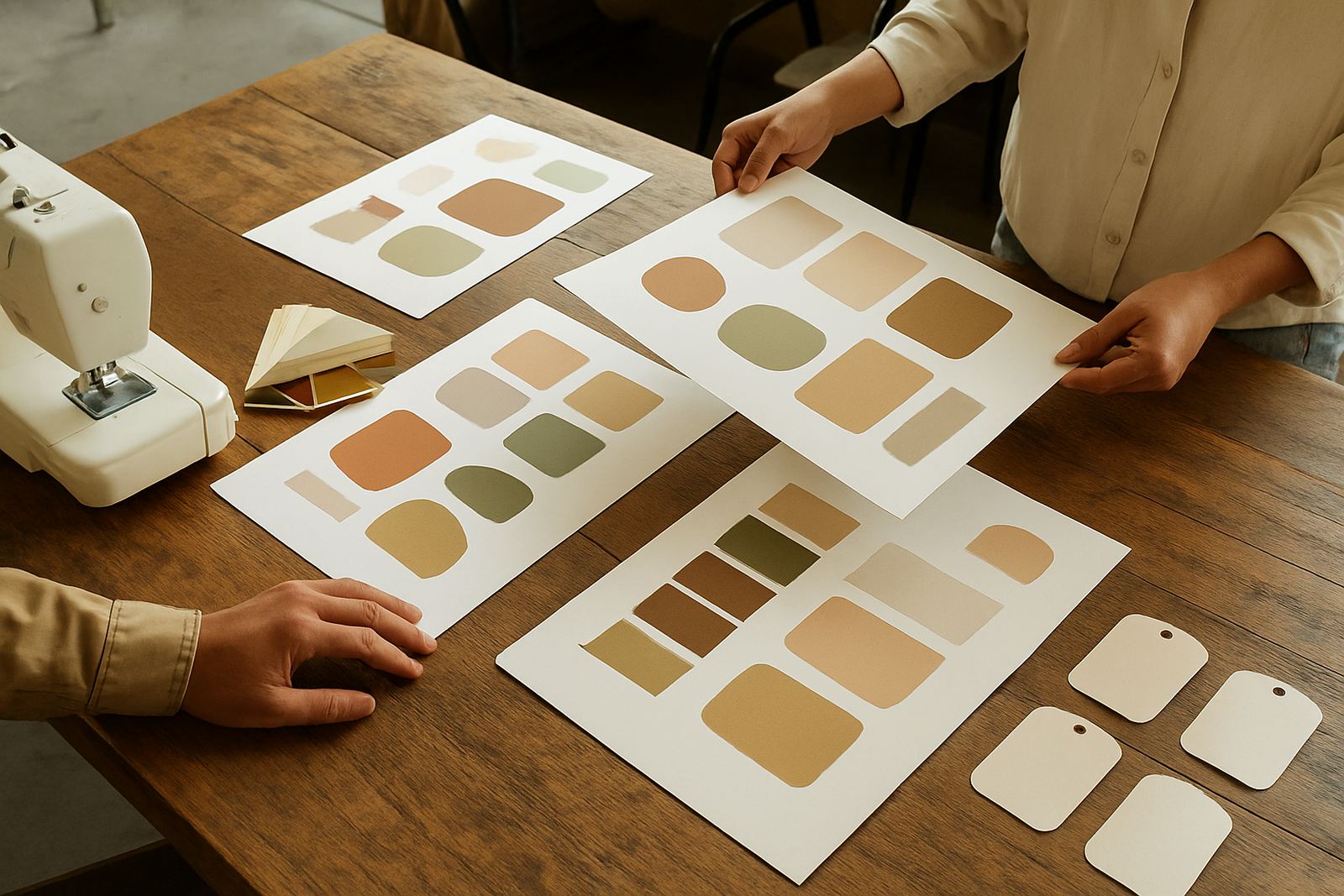
Good lighting is one of the biggest differences between a fair night and a good one. We help you choose lighting that shows colour correctly, does not glare into shoppers’ eyes and keeps your table visible from a distance. In Hatfield and other urban venues, evening foot traffic often starts fast after 17:00, so your stall needs to read clearly from the walkway within seconds.
Typical guidance includes LED task lights at 5W to 15W per fitting, warm white or neutral white output depending on your product finish, and a backup light source. For food stalls, we also consider glare, heat and placement near serving points. Where venues are outdoors, we check cable runs, weather cover and cable protection so trip hazards are reduced.
- LED lights positioned 60 to 90 cm above the display plane where possible
- Portable battery units for short outages
- Approved extension leads and taped cable routes across footpaths
- Signage lighting for stall names, prices and payment points
Stock Mix for Evening Buyers
Evening buyers behave differently from weekend morning shoppers. They want quicker decisions, smaller add-ons and a clear reason to stop. We help you split stock into hero items, lower-priced impulse buys and easy gift bundles. That way you are not only waiting for one big sale, but giving visitors more than one entry point to buy.
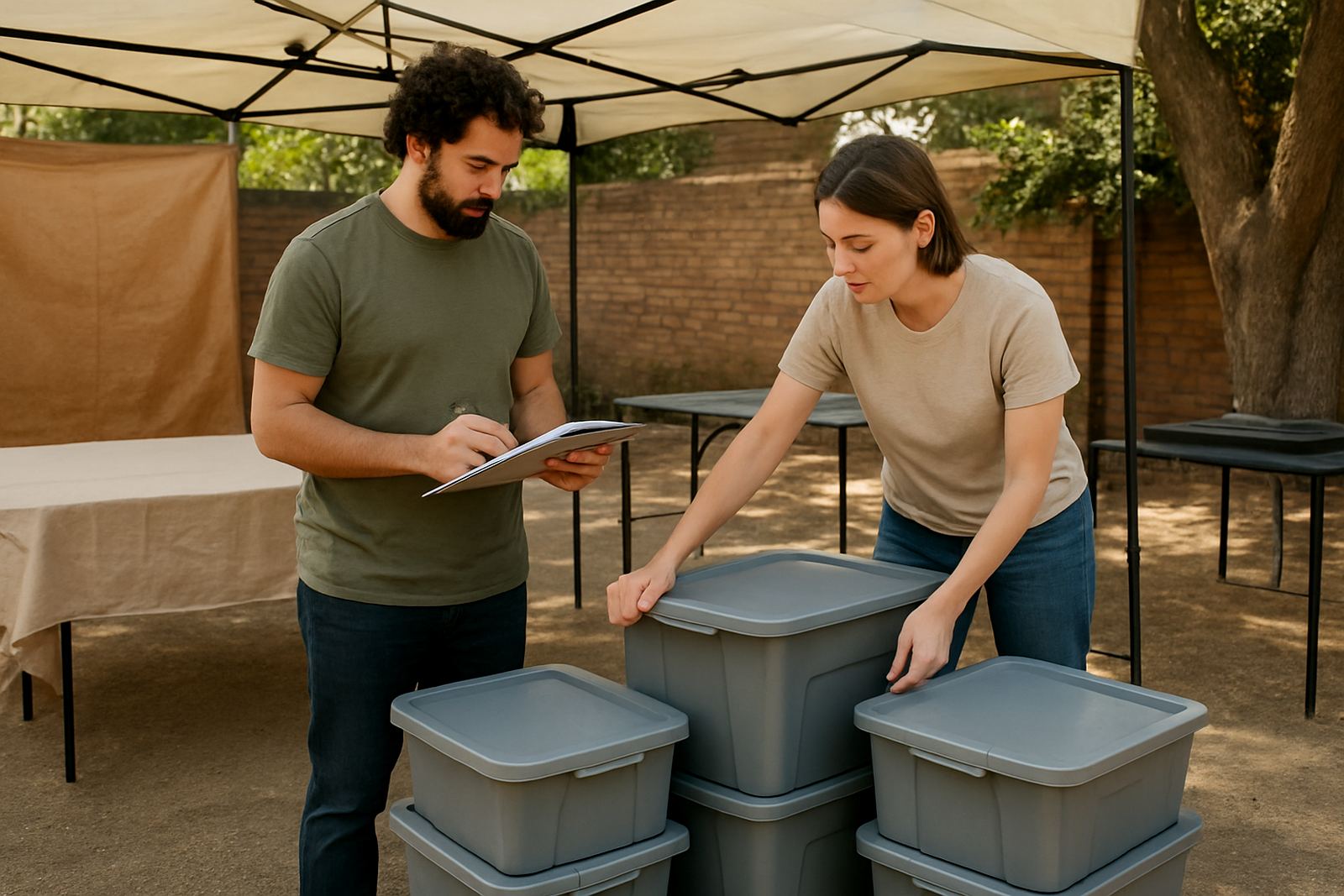
For most makers, the best maker night stock is compact, easy to carry and simple to explain in under 20 seconds. We also look at weather and venue type. In Pretoria winter evenings, footfall can stay high but buyers move faster if the air is cold. In coastal towns, we factor in humidity for paper goods, packaging and plated items. It helps to keep back-up stock in lidded crates and to label top sellers for quick restocking.
- Suggested split of hero stock, add-on stock and gift bundles
- Pack sizes and price points for faster decision making
- Stock rotation notes to keep your display full through the night
- Storage advice for fragile, heat-sensitive or moisture-sensitive products
Visitor Flow, Queue Control and Stall Layout
When people arrive in groups after work, stalls can clog quickly. A good layout makes movement easier and keeps the front of your stand open. We plan for how visitors will approach your table, where they pause, and how staff can greet them without blocking the path. This is especially useful in shared maker nights where food, craft and demo areas sit close together.
We map your display into a front zone for quick grabs, a mid zone for browsing, and a back zone for conversation or custom orders. If you offer tastings, samples or demos, we make sure those points sit off the main queue line. We also advise on payment placement so cash, card and QR options are visible without crowding the counter. A clear flow reduces pressure on your team and makes the stall feel more welcoming.
- Front edge kept open for easy entry and exit
- Samples and demos placed to one side, not in the main line
- Payment point visible from the walkway
- Walk-in space planned for strollers, bags and small groups
Our Planning Process From Brief to Event Night
We keep the process practical and direct. First, we take a brief on your products, venue, trading hours and whether the event is indoors or outside. Then we review your current setup and identify what needs adjusting for evening trade. If you are new to night markets, we focus on the essentials first so you are not carrying extra gear or overcomplicating the table.
Next, we send through a planning note with layout suggestions, lighting recommendations, stock priorities and a simple action list. Where needed, we can also help you prepare a checklist for bump-in, trading and pack-down. Larger multi-stall events may need more coordination where several makers are involved. For Pretoria base events and nearby markets, it helps when venue details are already confirmed.
- Step 1: brief and venue details
- Step 2: review of products, setup and trading goals
- Step 3: written planning note with practical recommendations
- Step 4: event prep checklist and final adjustments before trading
Pricing, Follow-Up and Ongoing Event Support
Pricing depends on whether you need support for one stall, a series of pop-ups or a full maker night programme. We price according to the time needed for planning, the number of makers involved and the level of follow-up required. Single-stall planning is usually charged as a once-off service, while regular event support can be quoted as a monthly or per-event rate. This keeps the costs clear and manageable for small businesses.
After the event, we recommend a short review so you can note what sold, where people slowed down and whether lighting or stock mix needs adjusting. For repeat markets, a maintenance interval of every 4 to 6 weeks works well, or after every major seasonal change. That is useful for winter night trade, festive periods and any venue shift with different power or crowd movement. Small tweaks often make the next event smoother and more profitable.
If your team needs help keeping the same setup across Hatfield, Brooklyn, Lynnwood, Menlyn or Centurion, we can standardise the approach so each event feels consistent without becoming rigid.