What Small Batch Branding Covers for Market Sellers
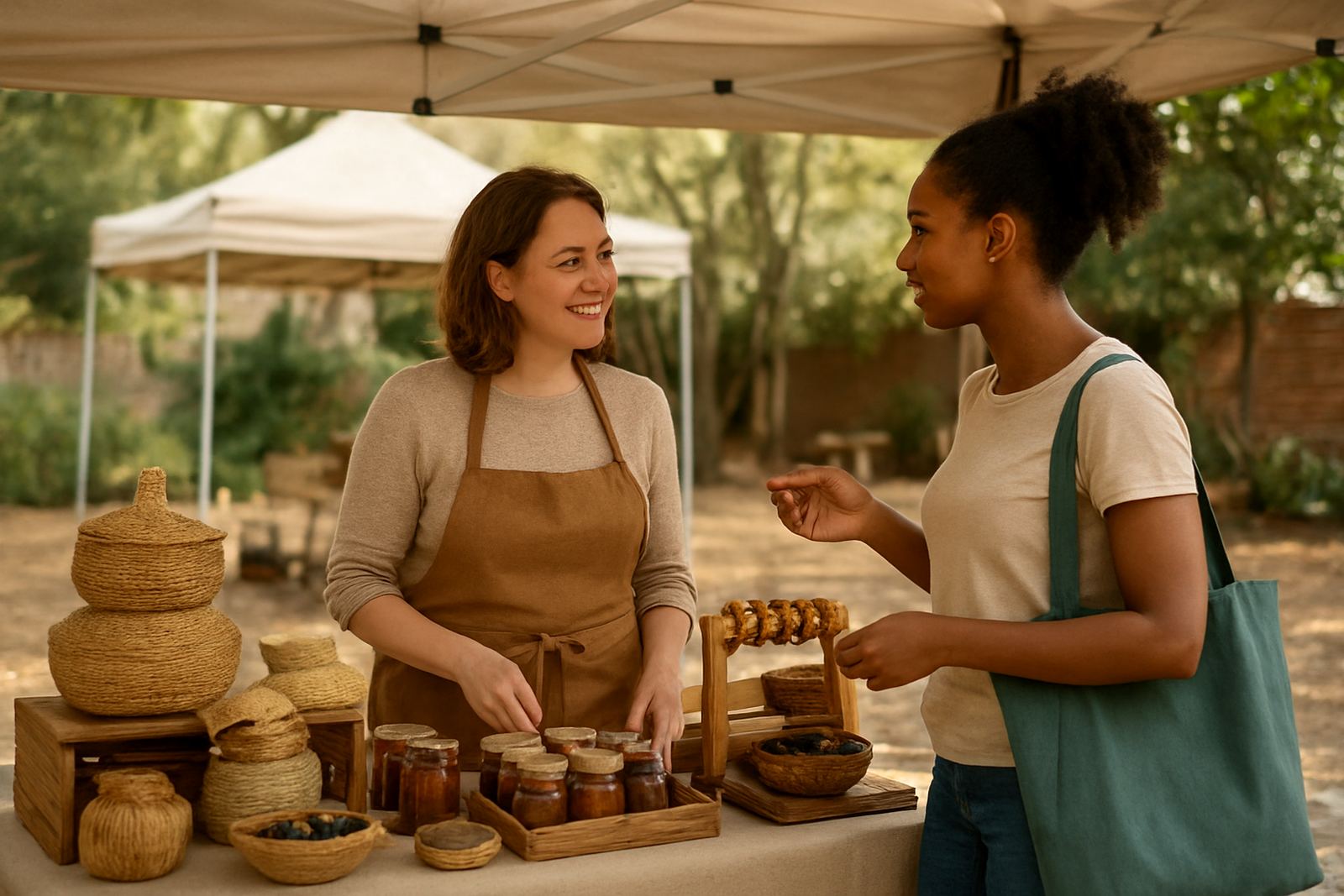
Small batch branding is for makers who do not need full scale packaging runs, but do need their products to look consistent from one market weekend to the next. It covers the essentials that help a shopper remember you after a busy morning in Hatfield, Menlyn or at a pop up in another province: labels, simple pack graphics, price cards, table signage and a repeatable visual system.
The focus is practical. We shape a look that works on jars, pouches, folded tags, kraft boxes and hanging signage, then keep it simple enough for short production runs. That means less waste when a flavour changes, a seasonal line ends or a product size changes from 250 ml to 500 ml.
- Label layout for jars, bottles, pouches and boxes
- Market price boards and counter signs
- Simple logo use, colour choices and font pairing
- Packaging text hierarchy for product names, ingredients and contact details
- File prep for print on matte, gloss or textured stock
What Is Included in the Branding Pack
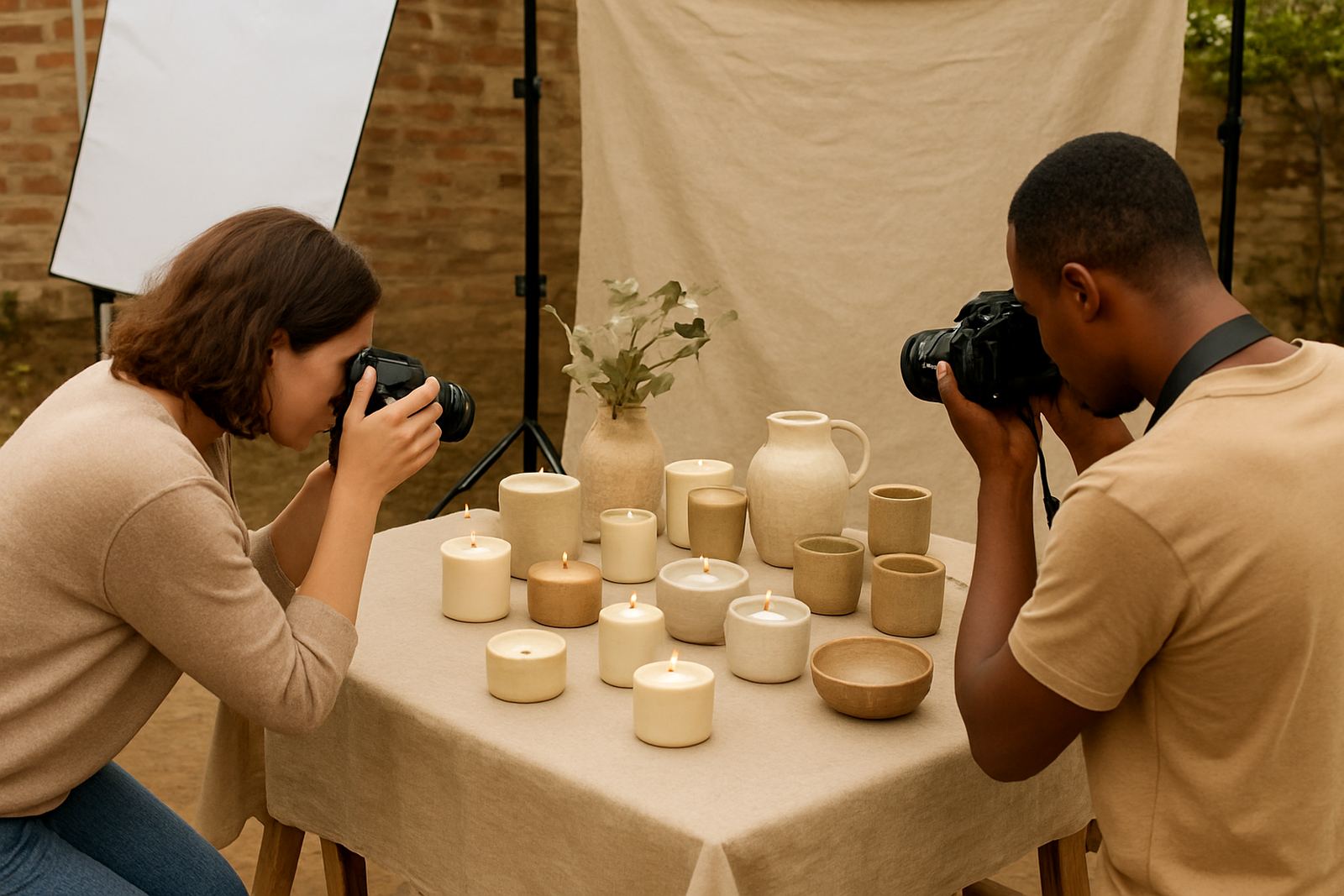
Each small batch branding pack is built around what you actually sell. A maker with honey, preserves or chilli oil needs clear legal and product details. A candle maker may need batch codes, scent names and safety notes. A soap maker may need ingredient order, weight and storage instructions. We set it up so the look stays tidy, even when the content changes from product to product.
Included items usually cover one core product line, with room for a small family of variants. If you need a market banner, fold-over tags or an A-frame sign for the stall, those can be added into the same system so everything feels related.
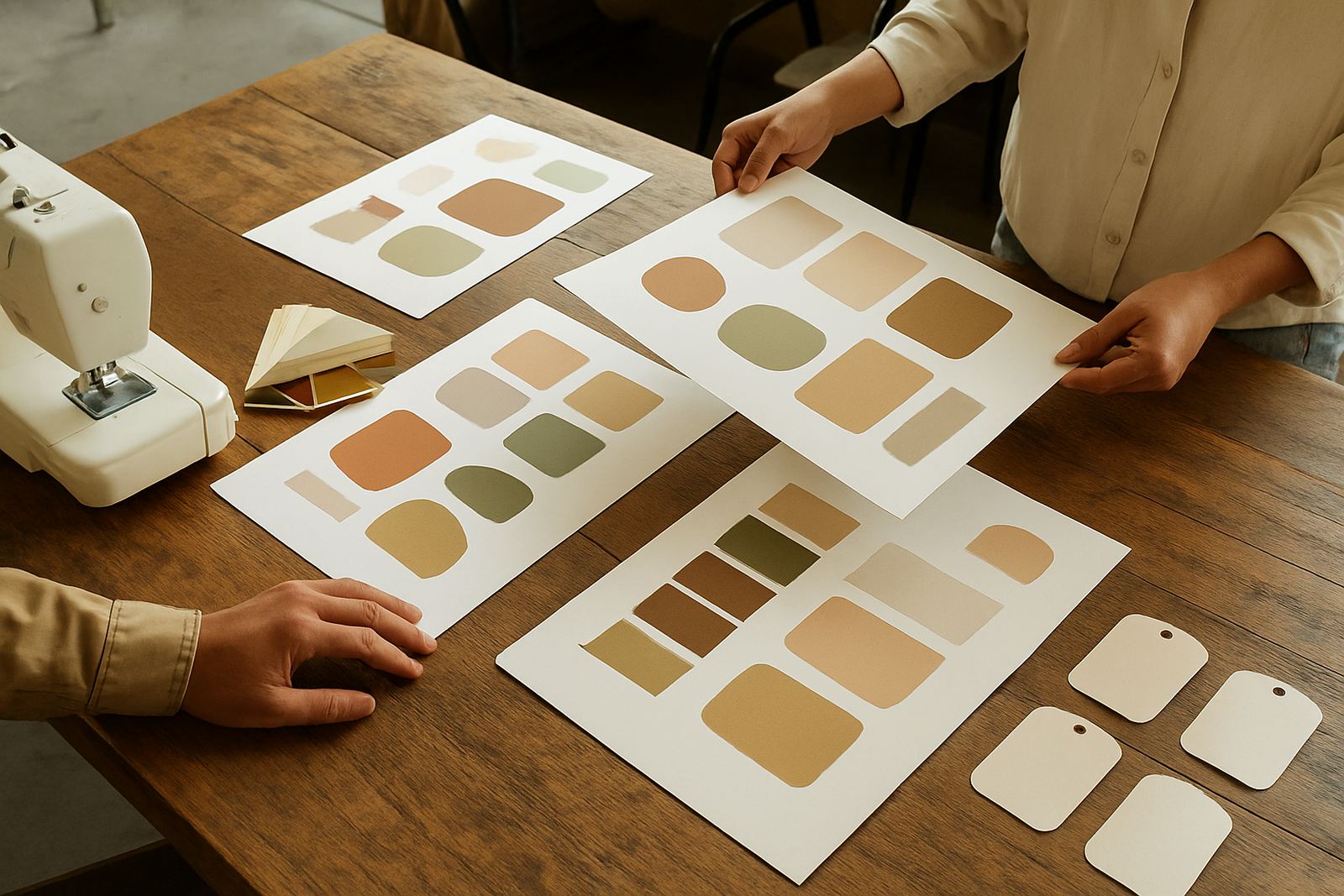
- One main brand direction with colour palette and type guidance
- Up to 6 core label or tag layouts
- One market sign layout for pricing or product info
- Print-ready files in common formats for local printers
- Basic usage notes for reprints and size changes
How We Work From Brief to Print Files
The process starts with a short brief. We ask what you sell, how many items you keep in stock, what kind of packaging you use, and where you trade most often. A stall at a weekend market in Pretoria has different needs to a food maker travelling to craft fairs or maker nights nationwide. We also check what you already have so we can keep what works and tidy up the rest.
From there we build a simple direction, then refine it once you have seen it on the actual product sizes. A label that looks good on screen can crowd a 60 mm jar lid, so we check measurements carefully and adjust for legibility. That includes margins, font size and space for mandatory information.
- Brief and product audit
- First visual direction and sample layouts
- Revisions based on pack sizes and market use
- Final artwork set for print and repeat use
Specs That Matter on Tables, Tubs and Tags
Small batch packaging needs to survive handling, cooler boxes, humidity and the odd spill at a busy market. In Pretoria heat or coastal moisture, paper choice and adhesive choice make a difference. We take that into account before the final files go out.
Common specs are kept practical, with sizes that fit standard print sheets and small run production. If a product is likely to be used outdoors, we can allow for stronger stock or a more durable finish. For food items, we keep room for ingredients, allergens, net weight and batch detail where needed.
- Label sizes from 40 x 40 mm to 120 x 180 mm
- Print supply in CMYK with 3 mm bleed and safe margins
- Readable body text from 7 pt upward, depending on pack size
- Sticker, hang tag and folded card options
- Finish guidance for matte, gloss or water resistant stock
Turnaround, Pricing Approach and When to Update
Turnaround depends on the number of products and how much content needs to be checked, but most small batch branding jobs are handled in a short, workable window once the brief and product details are complete. Straightforward ranges can move quickly. Larger sets with several variants, compliance text and multiple pack sizes need more time.
Pricing is based on scope, not guesswork. A single product line with one label and one market sign costs less than a full range with six variants, two languages and a set of matching tags. That approach keeps the work fair for small businesses and allows for updates when you add a winter flavour or change jar size.
- Simple single product ranges: quicker turnaround
- Multi SKU ranges: priced by layout count and revision time
- Rush work possible where print deadlines are tight
- Reprints and seasonal updates quoted separately
Keeping the Look Consistent Through Reprints
Once the first set is in use, the aim is to keep it easy to maintain. Small batch branding should not fall apart every time you order a new carton of labels. We keep a record of the approved versions, the size settings and the text order so future changes are cleaner and faster.
Maintenance checks are useful every 3 to 6 months, or sooner if you change suppliers, add a new product, or update price points after a cost increase. At that stage we check whether the main colour still reproduces well, whether the label still reads clearly and whether the pack details need a refresh.
- Quarterly or half yearly refresh for active ranges
- Review after any pack size or ingredient change
- Keep one master file set for future reprints
- Update market signage when pricing shifts
Key facts
| Service type | Small batch branding for product labels, signage and repeat use |
|---|---|
| Typical pack size | 1 to 6 product variants per job |
| File outputs | Print ready artwork and practical usage notes |
| Common formats | Labels, hang tags, price boards and stall signs |
| Turnaround | Depends on brief size, usually short once product details are supplied |
| Review interval | Every 3 to 6 months, or when products change |